At just 17 years old, Mora became the youngest player ever to represent Mexico at a FIFA World Cup. Rather than looking overwhelmed by the moment, he embraced it, starting multiple matches and displaying the composure of a seasoned international. His vision, confidence on the ball, and fearlessness against elite competition immediately made him one of the tournament's breakout stars.
For Mexican fans, Mora represents more than just another talented prospect—he looks like the creative midfielder El Tri has searched for since the prime years of Andrés Guardado.
While Mora provided creativity, Obed Vargas showcased maturity beyond his years.
Still only 20 years old, Vargas gives Mexico something every successful national team needs: a midfielder capable of winning possession, controlling tempo, and transitioning quickly from defense to attack. His tactical intelligence and composure fit perfectly with the modern international game, making him an ideal partner for veterans like Edson Álvarez while preparing to become the midfield leader of the future.
Mexico has traditionally produced dependable defenders, and Mateo Chávez appears ready to continue that tradition.
The young left back combined defensive discipline with attacking confidence throughout the tournament. His biggest moment came in the group-stage victory over the Czech Republic when he scored his first World Cup goal, highlighting his ability to contribute on both ends of the field.
With his athleticism and willingness to push forward, Chávez already looks capable of becoming Mexico's starting left back for years to come.
Goalkeeper has long been one of Mexico's strongest positions, thanks to legends such as Guillermo Ochoa.
Now, Raúl "Tala" Rangel appears ready to carry that tradition forward.
The Chivas goalkeeper demonstrated confidence, leadership, and excellent shot-stopping ability whenever called upon. As Mexico transitions away from its veteran core, Rangel has positioned himself as a legitimate candidate to become El Tri's No. 1 heading toward the 2030 World Cup.
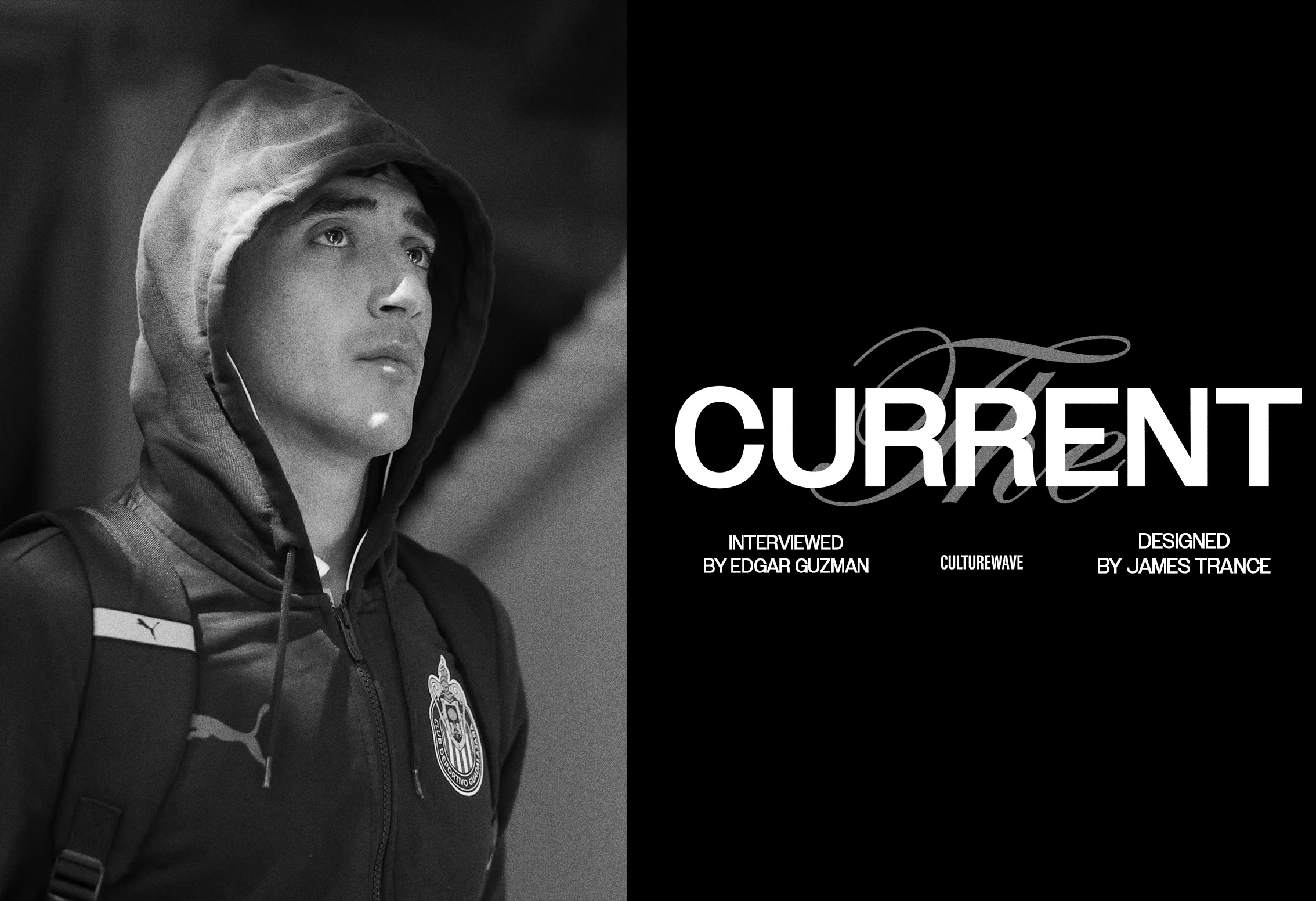
Although he received only 14 minutes in the entire tournament, the Chivas striker is one of the most exciting young forwards in Mexico scoring an impressive 24 goals in the last 2 tournaments with Chivas. With low minutes in this World Cup, this could give La Hormiga a taste of the pressure and give him the mental experience in a locker room of veteran strikers such as 2nd highest team scorer, Raul Jimenez.
At only 23 years old, González continues to establish himself as a dangerous attacking option with relentless work rate and natural finishing instincts. While competition remains fierce among Mexico's forwards, his development with both club and country suggests he can become an important piece of El Tri's next attacking generation.
Perhaps the biggest takeaway from this World Cup isn't simply that Mexico advanced further than it has in years—it's how they did it.
Instead of relying solely on experienced veterans, Javier Aguirre trusted a new generation. Those young players responded with fearless performances on the world's biggest stage, proving they belong. Now, under Rafael Márquez's leadership, Mexico has an opportunity to continue building around a core that includes Gilberto Mora, Obed Vargas, Mateo Chávez, Tala Rangel, Hormiga González, and other rising stars. Combined with established leaders like Edson Álvarez and Santiago Giménez, the national team finally appears to have the balance of youth, talent, and experience that fans have long hoped for. The 2026 World Cup may not have delivered the ultimate dream, but it accomplished something equally important—it restored belief. For the first time in years, Mexico isn't simply looking toward the next tournament. It's looking toward a future that has already begun.


.png)