
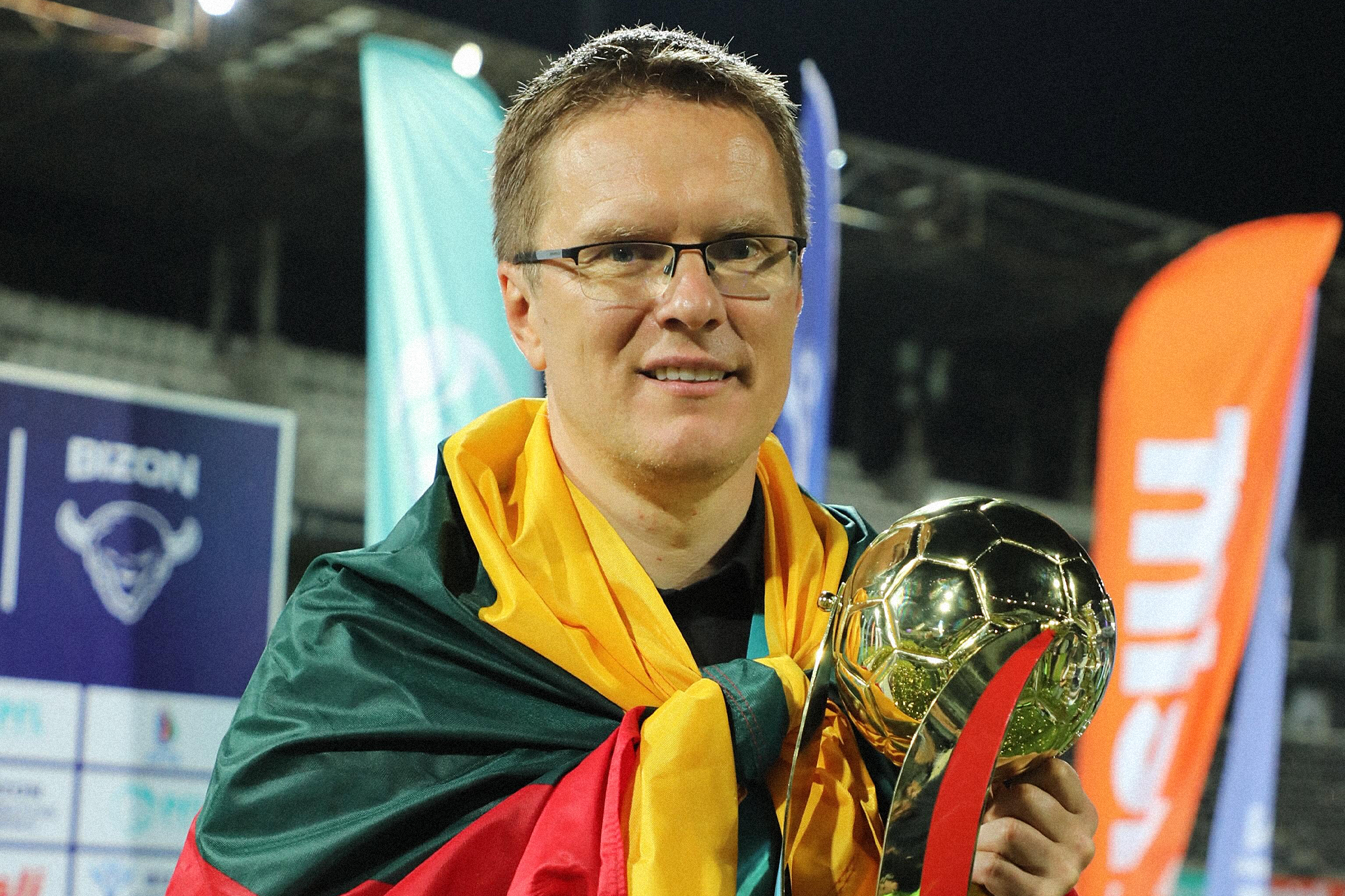
Valdas Dambrauskas’ road to the Champions League did not start at a professional academy, inside a famous stadium or even on a football pitch. It started on a television game show. In 2002, Dambrauskas appeared on Lithuania’s version of Who Wants to Be a Millionaire? and won 4,000 litas, roughly €1,160 at the time. Instead of using the money to settle down at home, he used it to help fund a move to England and chase a dream of becoming a football coach. Dambrauskas had never played professional football and grew up without the kind of pathway that usually leads someone into elite coaching. He has said that watching the 1990 World Cup first made him want to become a coach, even though there was no obvious route for him to follow. After moving to England, the journey was far from glamorous. He studied Sports Science and Coaching at London Metropolitan University while working different jobs to support himself. He also began volunteering in local youth football before eventually getting opportunities with community programs and Manchester United Soccer Schools. Those early years became the foundation of a coaching career that would eventually take Dambrauskas across Europe. He returned to Lithuania in 2010 and later coached in countries including Latvia, Croatia, Bulgaria, Greece, Cyprus and Hungary. Over time, he built a reputation through experience rather than a famous playing career. In 2025, Dambrauskas took over Sabah in Azerbaijan.

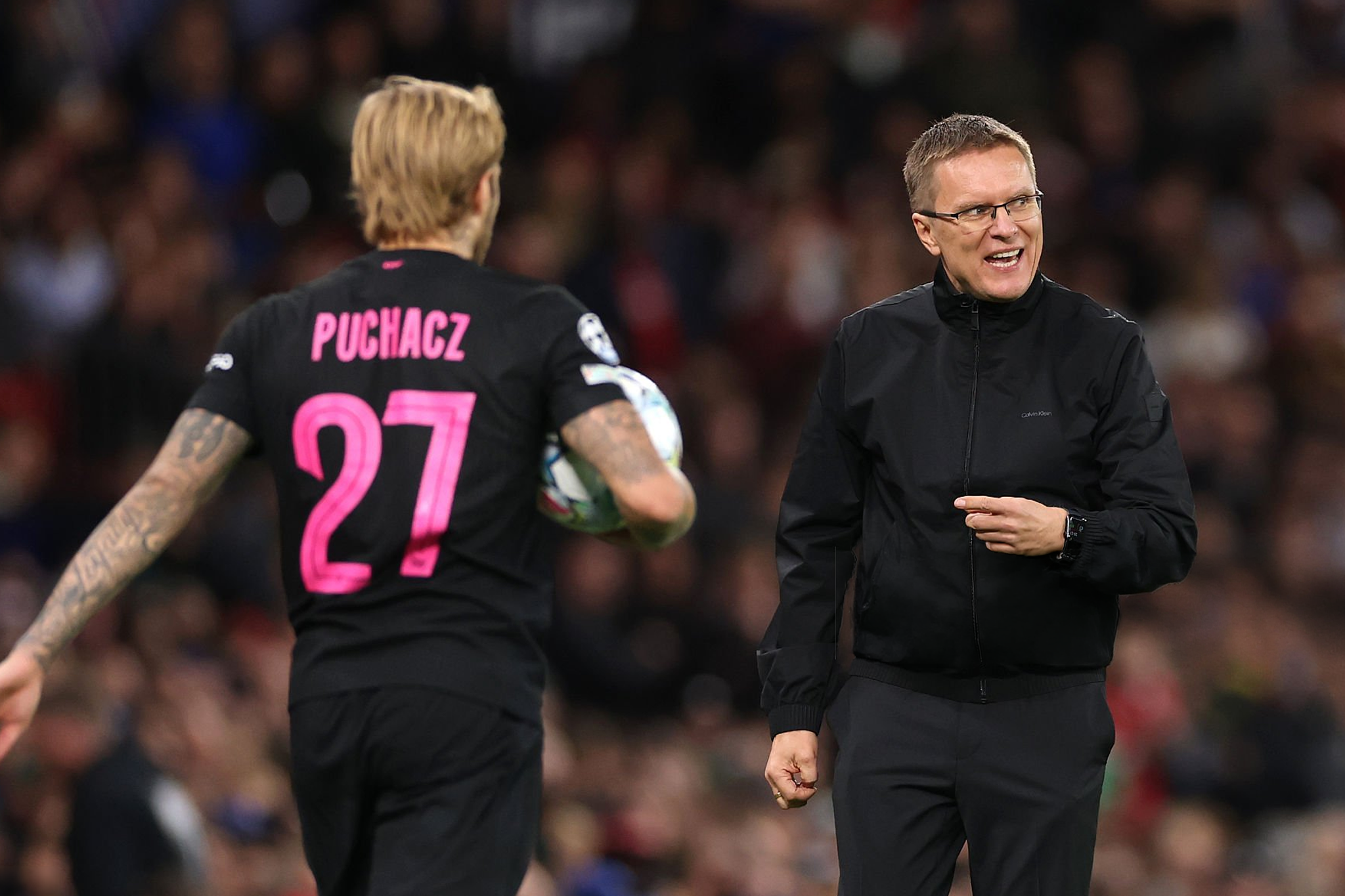
The club itself had only been founded in 2017, but under Dambrauskas it quickly reached new heights. In his first season, Sabah won its first league title while also lifting the Azerbaijan Cup, completing a domestic double. The team also put together a 33-match unbeaten run. The next step was even bigger. Sabah battled through Champions League qualifying and eventually reached the league phase for the first time in club history. That achievement made Sabah the youngest club ever to reach the Champions League league phase or group stage. More than 20 years after using quiz-show winnings to move to England, Dambrauskas returned there as a Champions League manager. His first league-phase match came at Old Trafford against Manchester United.

The result did not go Sabah’s way, but the moment completed a journey that once seemed almost impossible: from a 25-year-old office worker with no professional football background to leading a club onto one of the biggest stages in the sport. Dambrauskas’ story is a reminder that there is not always one path into football. Sometimes it starts with an academy. Sometimes it starts with a professional career. And sometimes it starts with a quiz show, a little bit of money and the decision to take a chance on yourself.