MLS didn’t turn into a destination for global stars overnight. The shift goes back to 2007, when the league introduced the Designated Player Rule, giving clubs a pathway to sign high-profile names without forcing their full salaries into the standard budget limits.
From there, the “big signing” stopped being just a headline. Each era had a move that pushed MLS forward — driving bigger crowds, more attention, and a different level of expectation around what the league could attract and what it could be.
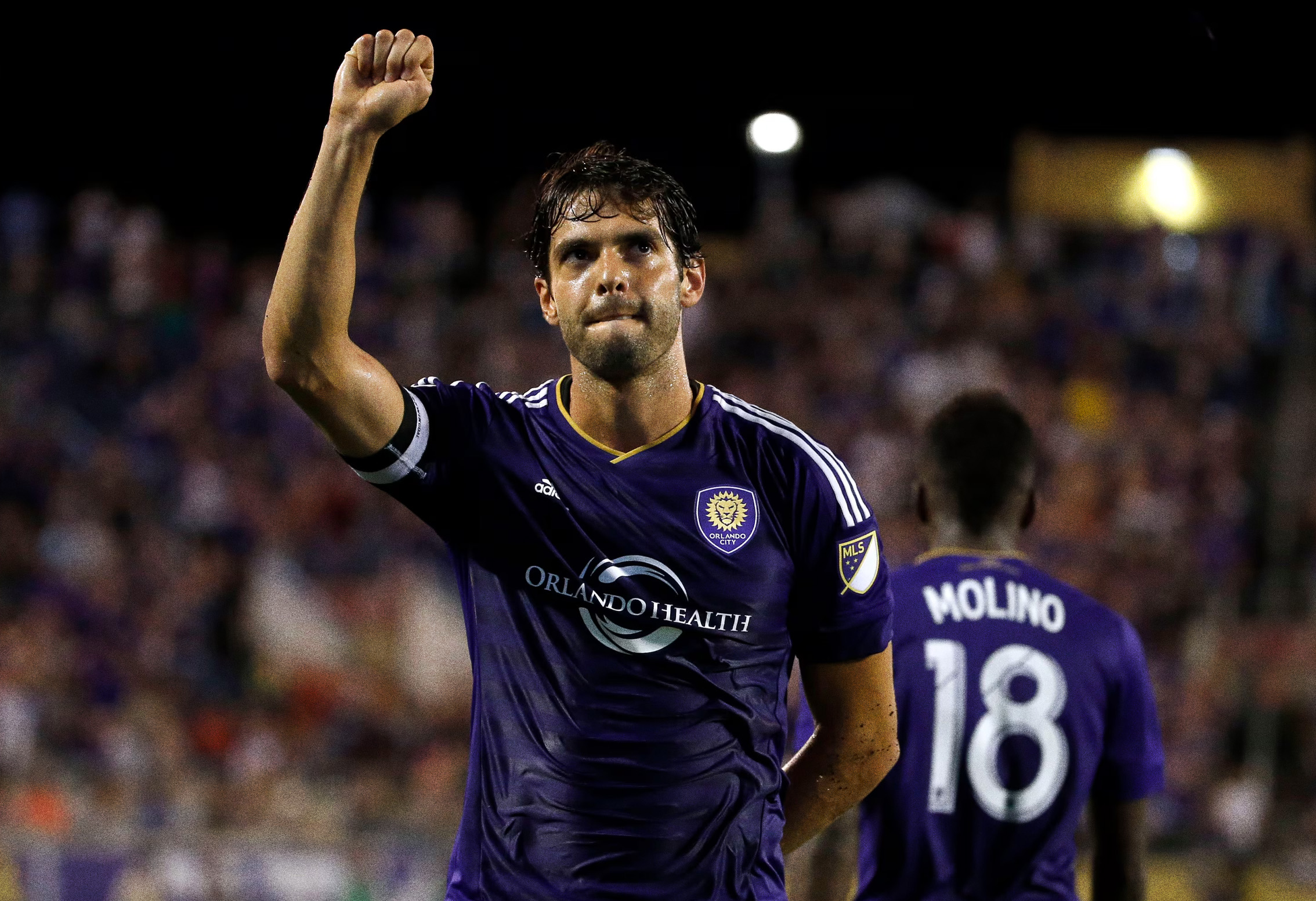
Kaká’s move was finalized in 2014, with the plan for him to spend time on loan at São Paulo before joining Orlando for their first MLS season in 2015. Orlando was building around him before they even kicked off league play.
Once he arrived, the club treated him as the franchise centerpiece and he produced like one. Orlando’s club bio notes Kaká had nine goals and seven assists in 2015, and he also served as MLS All-Star captain that year — scoring and assisting vs Tottenham to win All-Star MVP. Over his three MLS seasons, MLS credits him with 24 league goals and 22 assists for Orlando.
In July 2015, they announced Pirlo as their third Designated Player, arriving on a free transfer from Juventus. That made NYCFC a headline team overnight — Villa, Lampard, Pirlo in one market.
MLS wrote that he finished third in MLS in minutes per pass in his time with NYCFC, basically measuring how much the team played through him. Stat-wise, ESPN’s MLS breakdown shows him putting up 5 assists in 2015, 1 goal and 11 assists in 2016, and 2 assists in 2017.
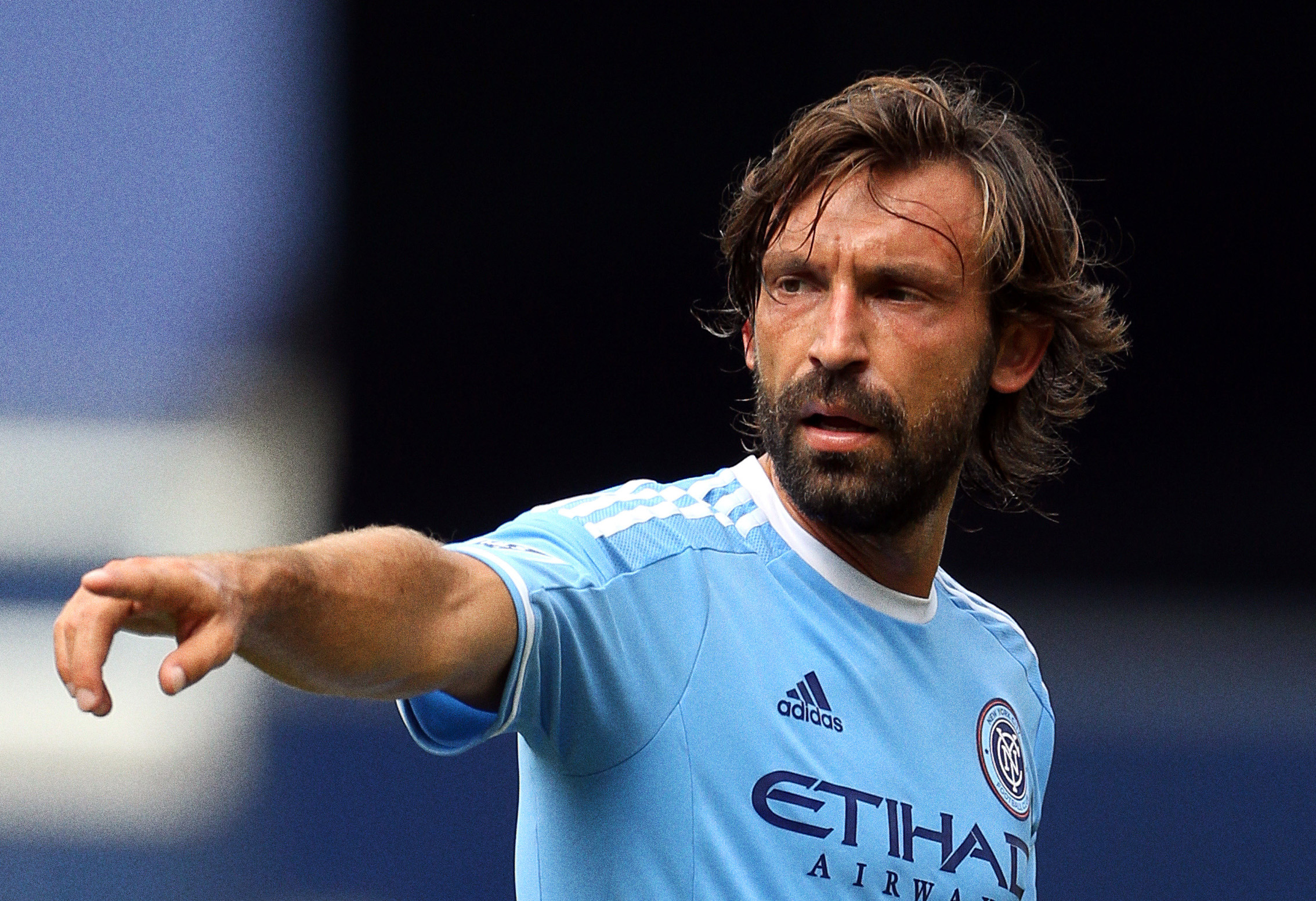
The club was stepping into a new stadium era, and they needed a face that matched the relaunch. D.C. United announced the signing in June 2018, bringing him over on a permanent transfer.
On the field, Rooney’s MLS legacy has one signature clip that basically sums up why this transfer is remembered: “The Tackle” — tracking back for a goal-saving challenge, then immediately springing the match-winning assist. MLS still packages that play as one of the defining Rooney moments in the league. Rooney’s MLS stat line also backs up the impact: MLS lists 48 games, 23 goals, and 15 assists across 2018–2019 regular season play.
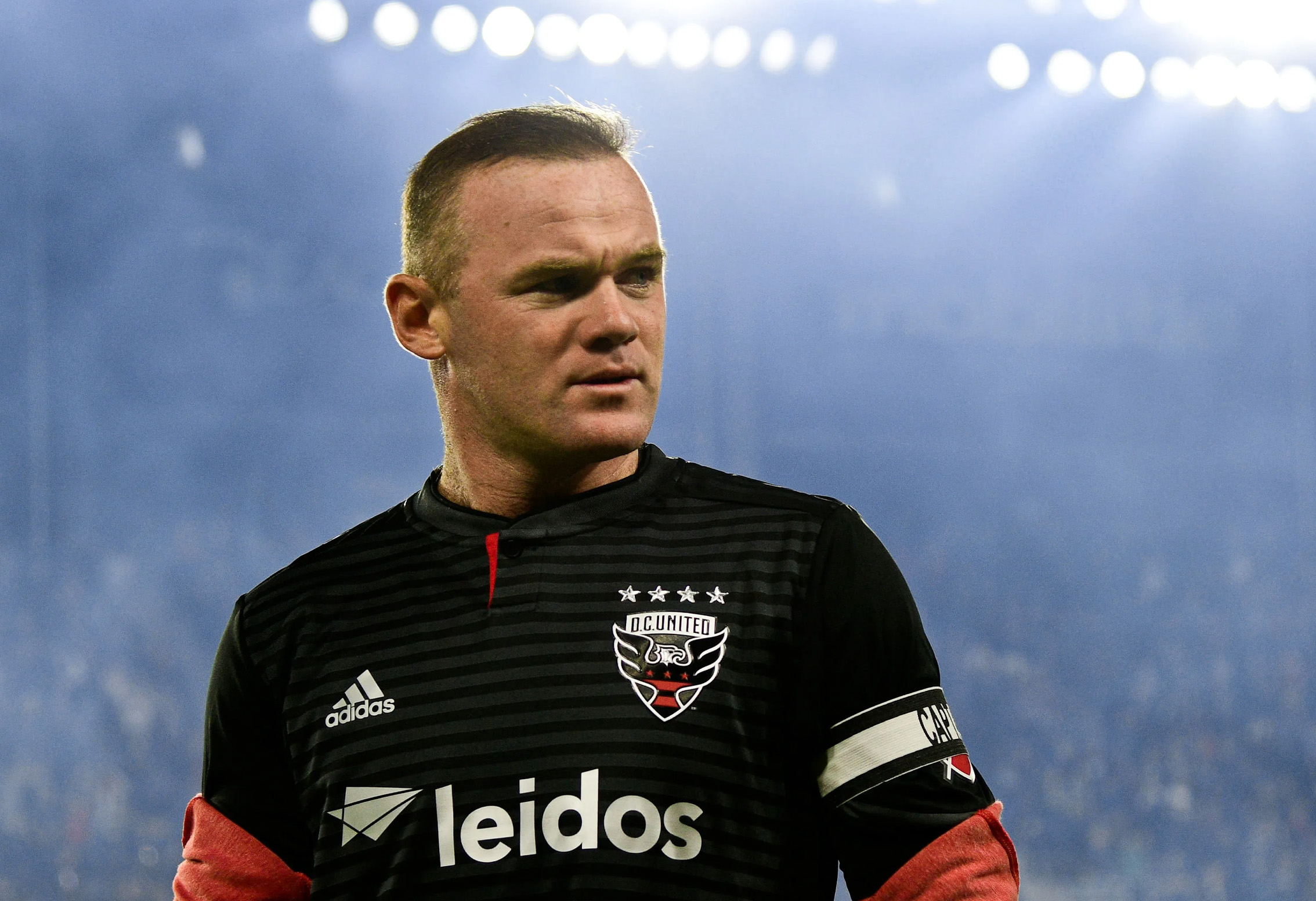
Bale’s MLS move was famous because it didn’t fit the old MLS stereotype. LAFC didn’t sign him as a ceremonial DP; they brought him in on a 12-month contract using TAM (Targeted Allocation Money), and even had to acquire his discovery priority to complete the move.
Then he delivered the moment that made the transfer immortal: in the 2022 MLS Cup, Bale scored a dramatic late equalizer (a header deep into extra time) that forced penalties and helped LAFC win the title.
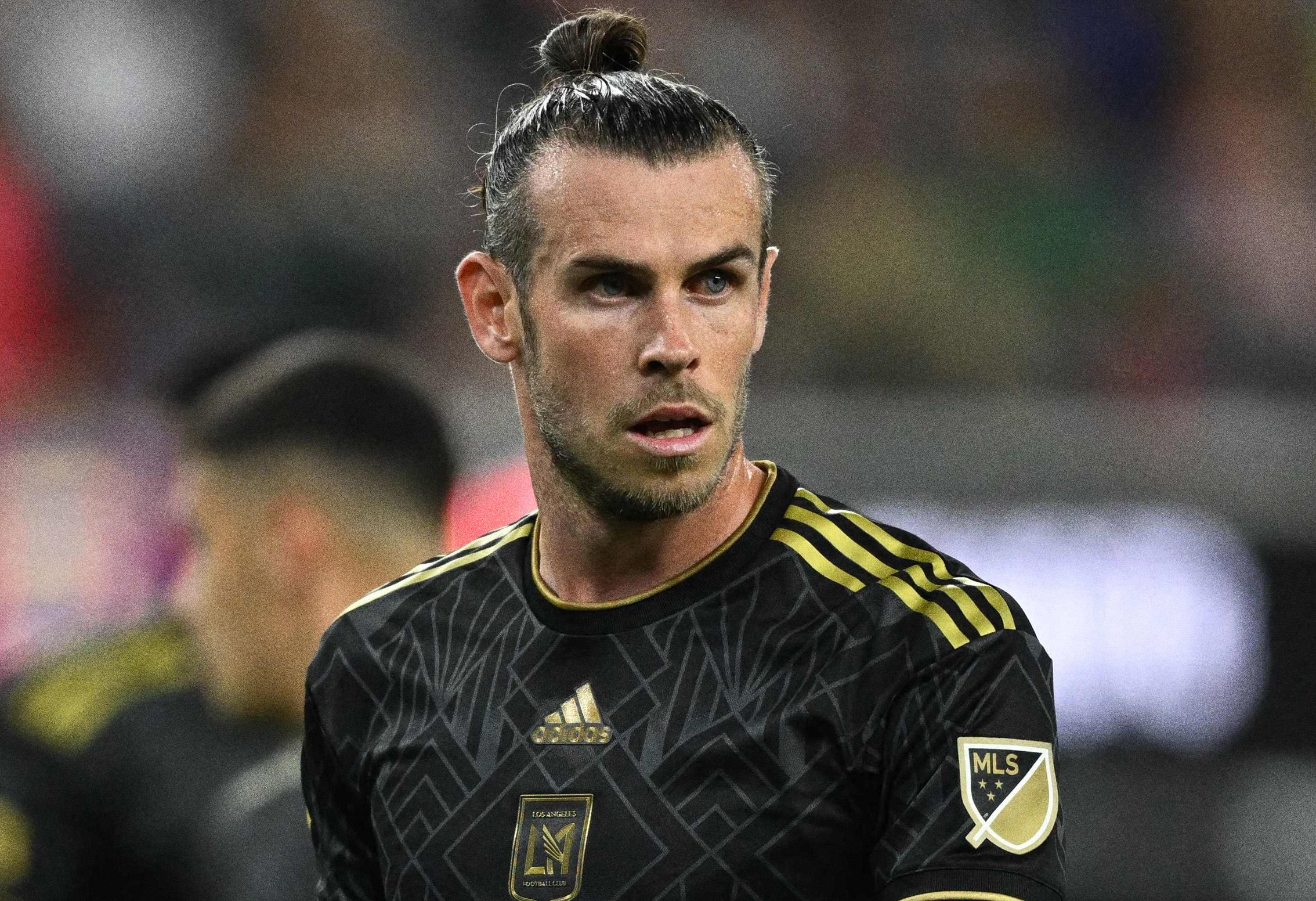
Henry to New York felt like MLS leveling up in real time. The Red Bulls announced his signing in July 2010 as a Designated Player, and the league treated it like a credibility jump — a modern icon choosing MLS while he was still a major-name presence.
The Red Bulls’ own player history page lays out how consistent his run was, including multiple MLS Best XI selections and All-Star appearances through 2014.
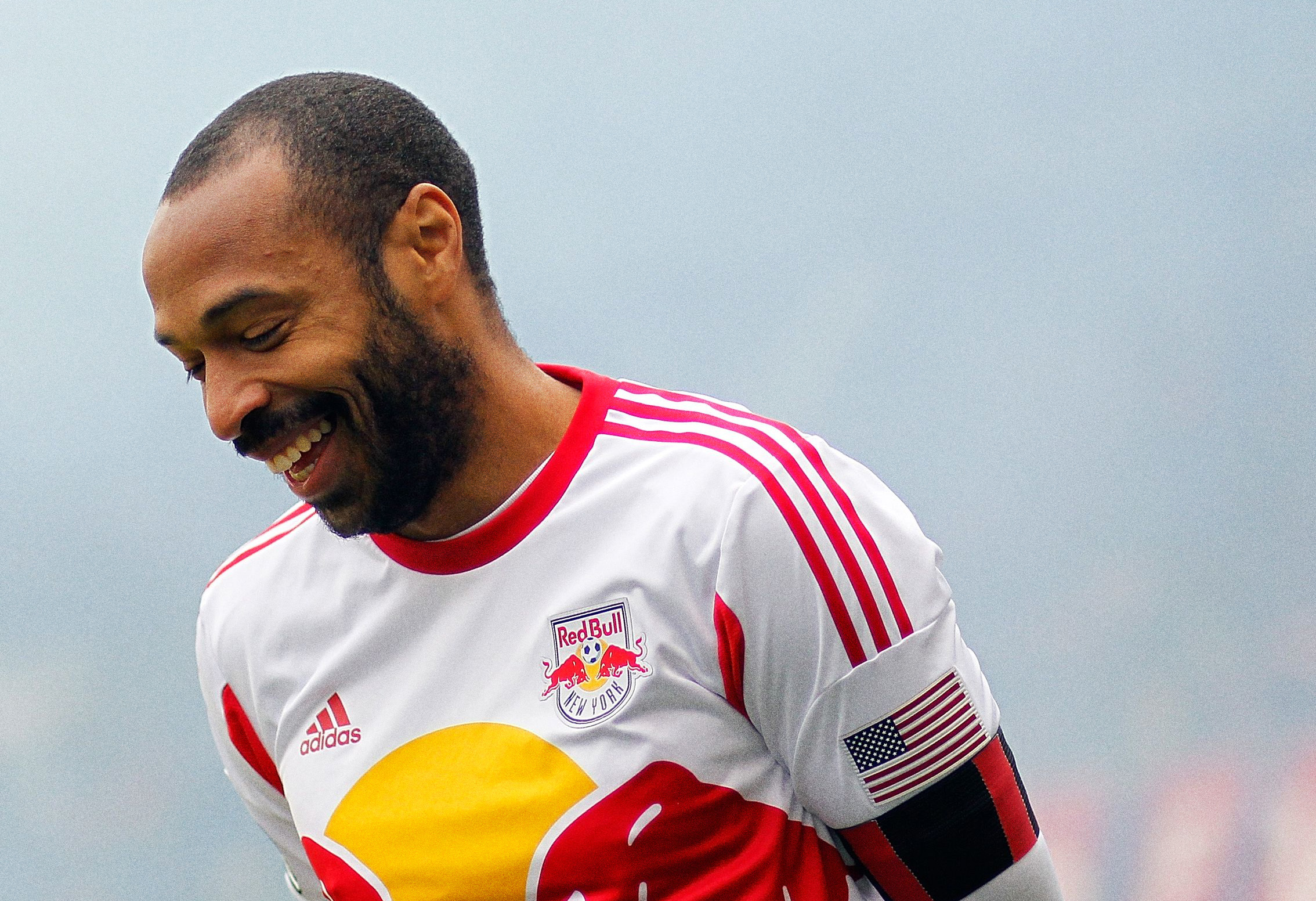
Zlatan’s signing became famous for two reasons — the personality and the immediate chaos. His debut is still framed as “storybook” MLS — LA Galaxy point to the moment he entered the El Tráfico matchup and scored a 40-yard equalizer, then a late winner.
But the bigger reason this is an all-time MLS transfer: Zlatan didn’t just show up, he dominated. MLS wrote that he produced 52 goals in 56 games, plus another in the playoffs, which is basically superstar output at absurd efficiency.
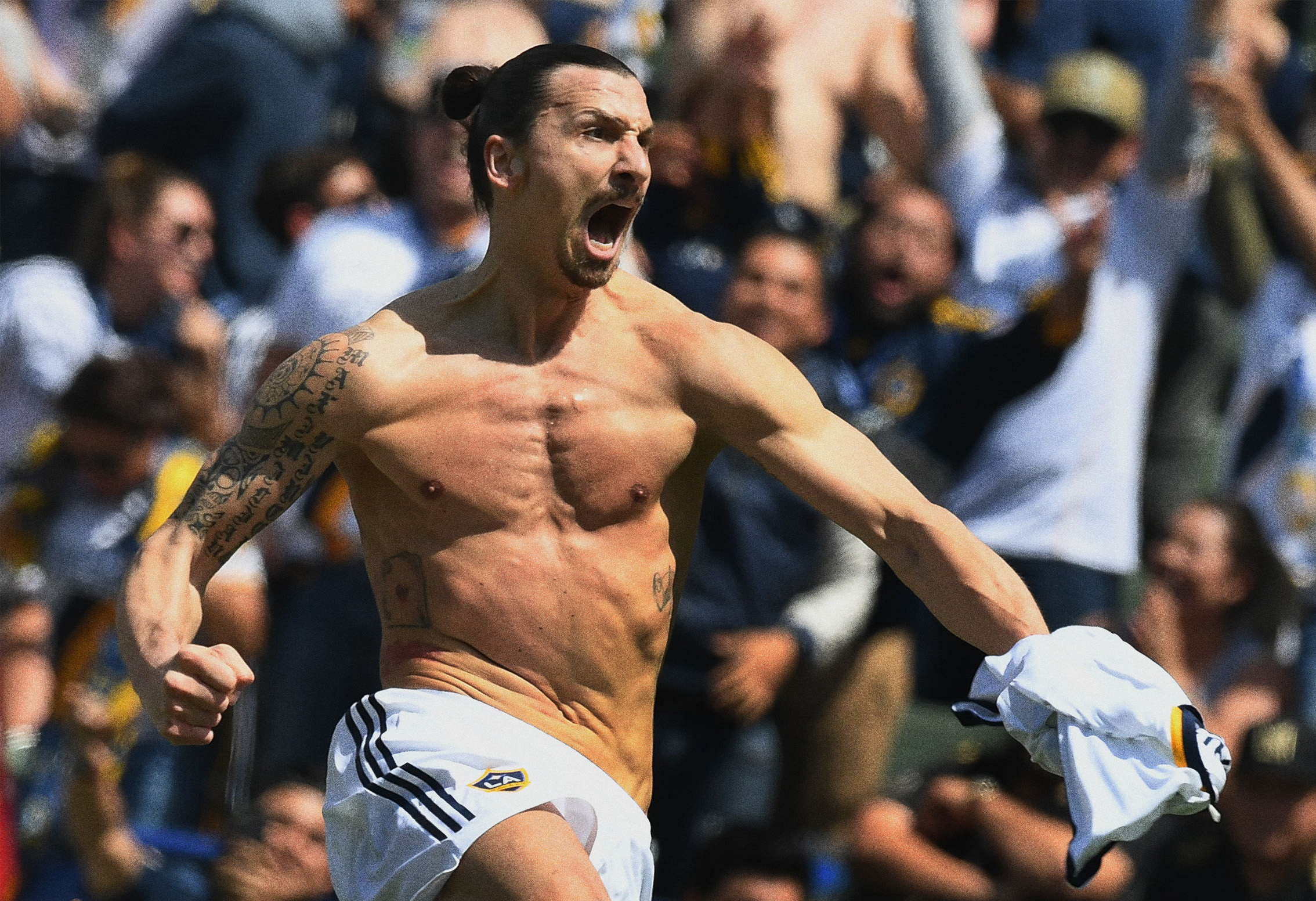
Beckham is the original modern MLS “earthquake” transfer — because the move reshaped league rules and perception at the same time. When Beckham signed in January 2007, the Galaxy/venue announcement called him the first player acquired under the new Designated Player Rule. MLS’ own policy explanation from that era describes how the DP mechanism worked: a capped budget charge, with clubs responsible for costs above that.
On the field, LA Galaxy’s stats recap shows Beckham played 98 regular-season games, with 18 goals and 40 assists, and was part of the Galaxy’s trophy run in the early 2010s. Off the field, Reuters has described Beckham as the face of the “Beckham Rule” era — the signing that helped MLS chase international relevance through star power.
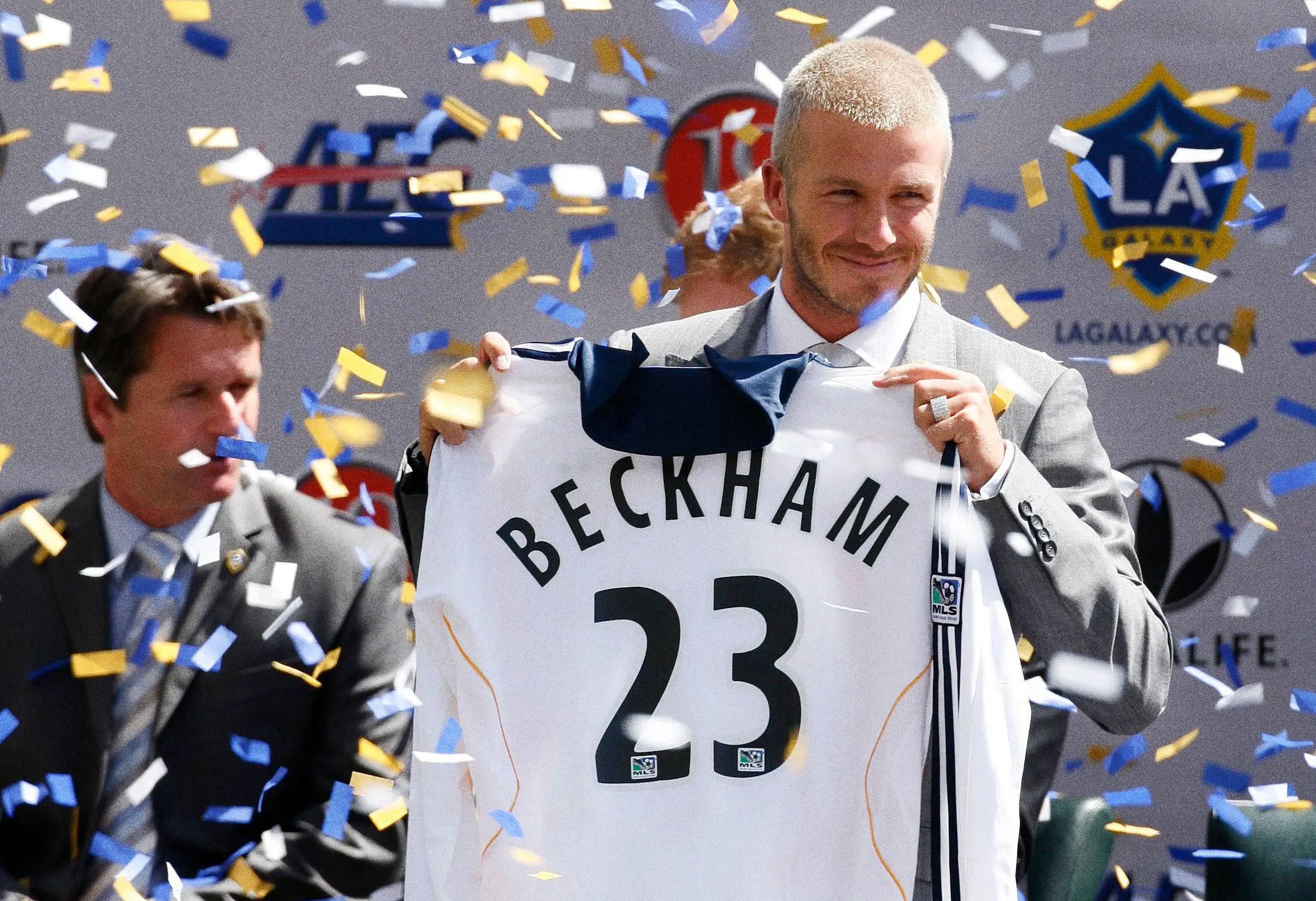
Messi’s MLS move is the modern benchmark because it wasn’t “MLS famous” — it was global sports famous. MLS formally announced Messi signing with Inter Miami in July 2023, confirming he would occupy a Designated Player slot and be under contract through the 2025 MLS season.
And the impact has been immediate and measurable. Reuters reported that since joining, Messi has driven Inter Miami to multiple major trophies — including Leagues Cup (2023), Supporters’ Shield (2024), and MLS Cup (2025) — while setting club records for goals and assists in his Miami career.
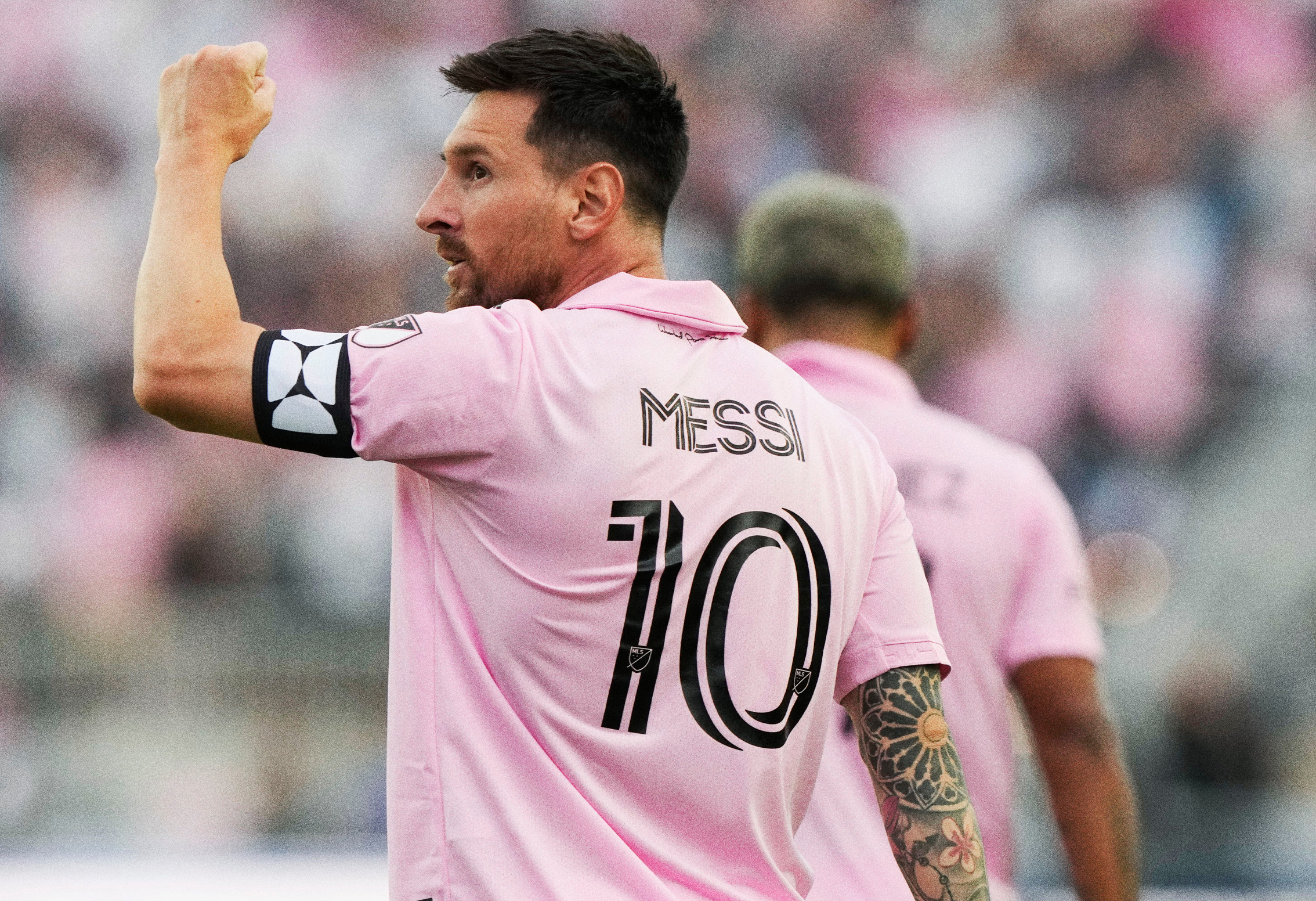
Drogba’s transfer is famous because it was both a headline and a shock to the system competitively. Montréal announced in July 2015 that they acquired Drogba as a Designated Player (via trade mechanisms for his MLS rights).
Once he arrived, he flipped Montréal’s season. MLS recapped that he scored 11 goals in 11 regular-season games in 2015, helping drive Montréal up the table into a strong playoff position.
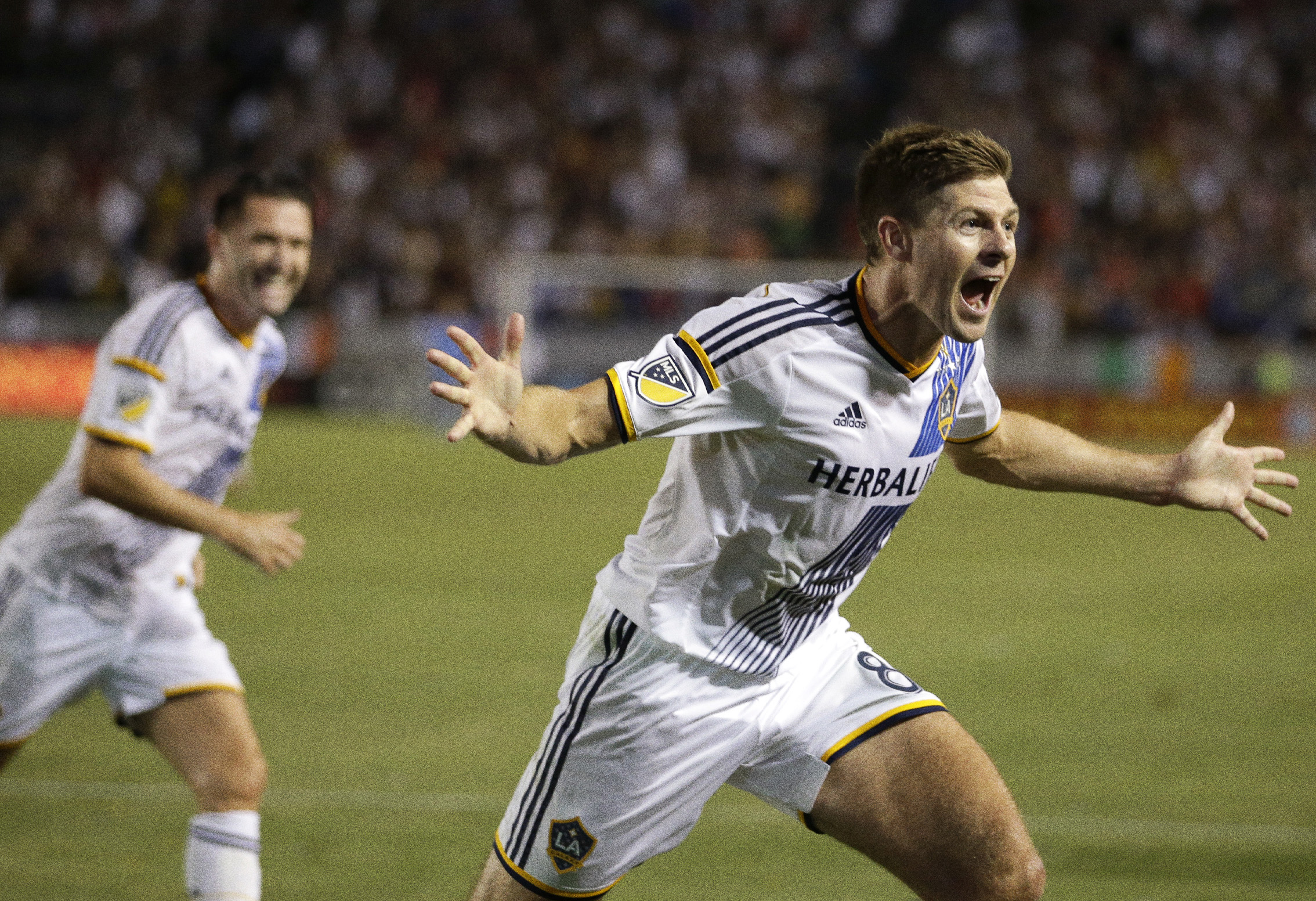
Gerrard’s move became famous because it was symbolic: one of England’s most recognizable captains choosing LA as his next chapter. The Galaxy announced the signing in January 2015 as a Designated Player, with Gerrard set to arrive in the summer window.
By the time he left, MLS reported Gerrard made 34 appearances, with five goals and 14 assists for LA.
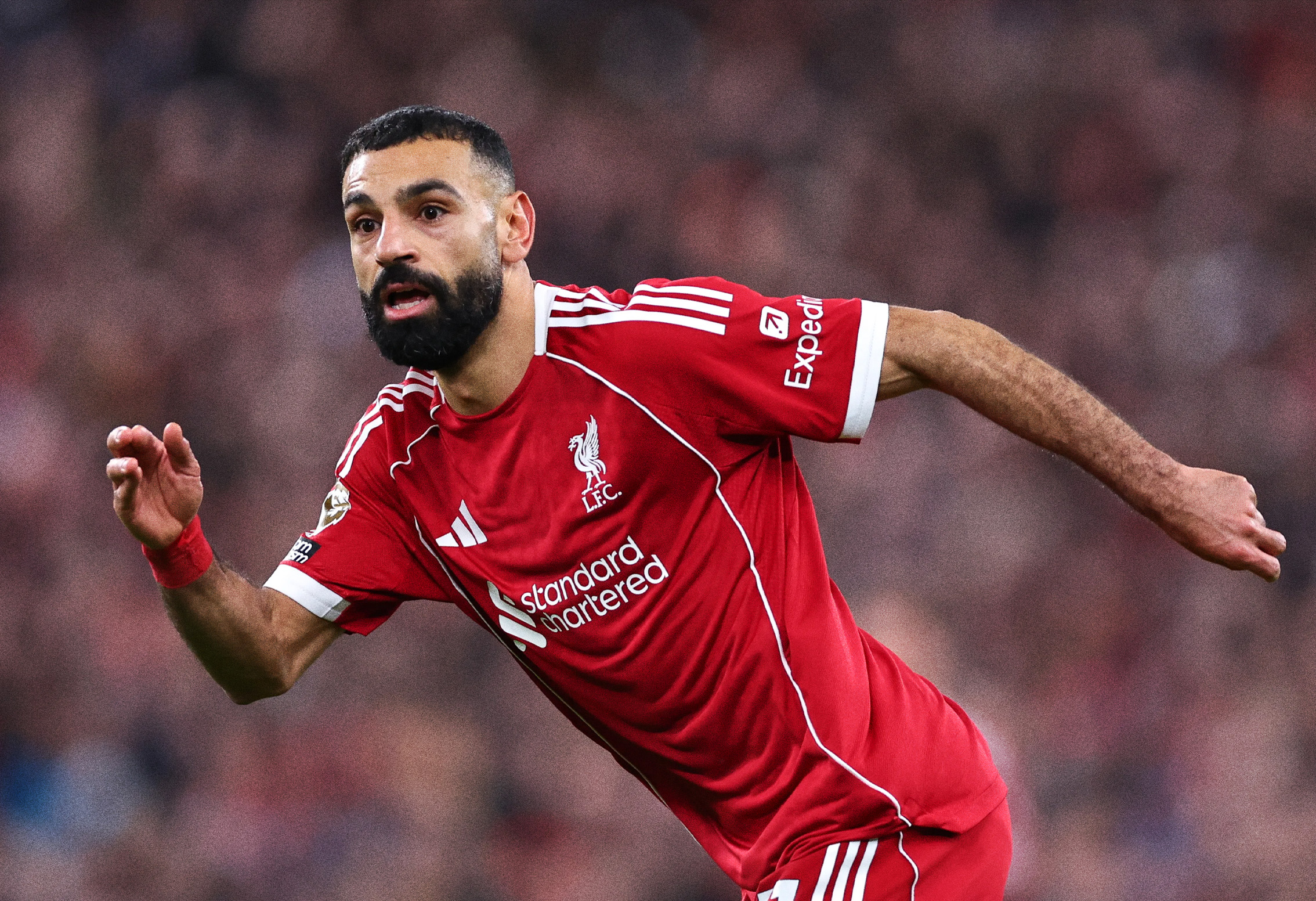
The first reason Salah belongs on the slide is simple: he’s leaving Liverpool at the end of the season, per Reuters. Once a player like that hits an open market moment, MLS is automatically part of the conversation — especially after the Messi effect. MLS Commissioner Don Garber even publicly responded this week after an Egypt federation official warned Salah against an MLS move, which shows the rumor is loud enough to reach the league office
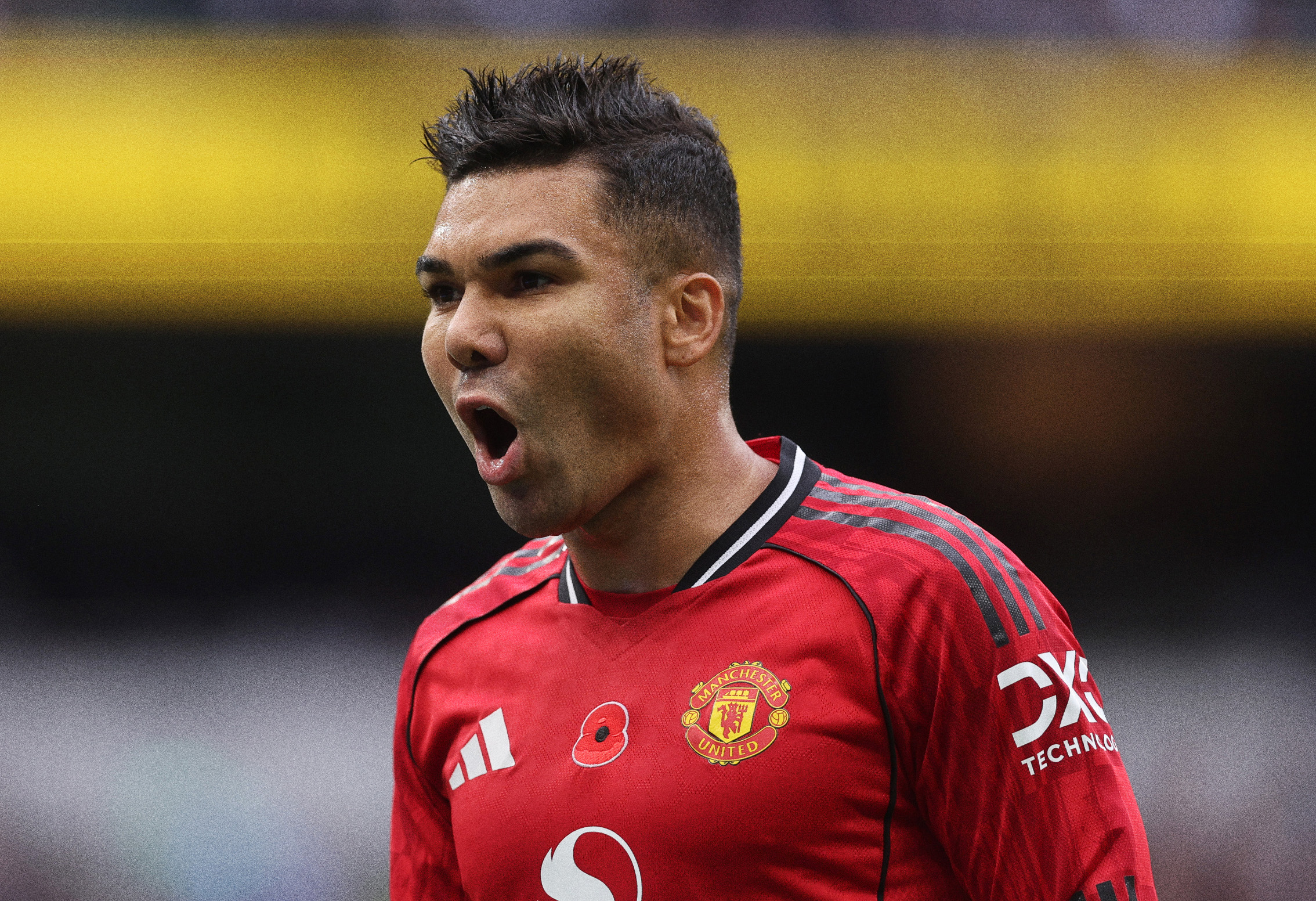
Casemiro is on the watchlist because his exit timeline is clearer. Reuters reported he will leave Manchester United at season’s end when his contract expires. From there, ESPN reported that Inter Miami and LA Galaxy are among the clubs to have contacted him, though it also noted a practical obstacle: both clubs already have their full allotment of Designated Player slots filled, which complicates how a deal would be structured.
Lewandowski is the “big striker” rumor that won’t go away. ESPN has referenced Chicago Fire-linked Lewandowski chatter in multiple places (including league previews and transfer rumor columns). There’s also been reporting framing it as Chicago making a serious push, including talk of a contract offer.



.png)