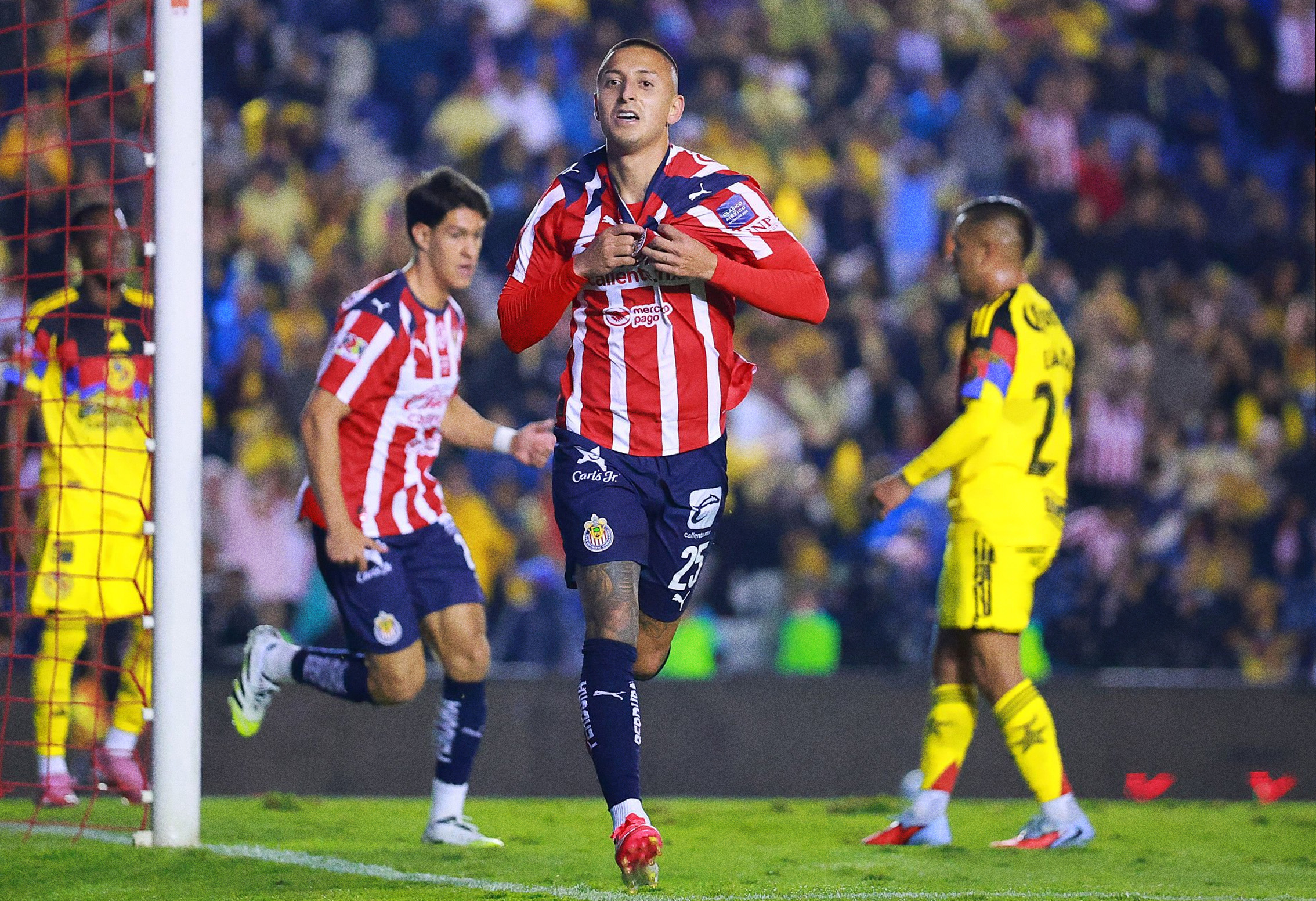
Across the country, shirts belonging to Barcelona, Mexico, Inter Miami, Arsenal and even lesser-known clubs are now being worn with baggy jeans, cargos, skirts and sneakers. Some belong to lifelong supporters. Others are selected because of their colors, sponsor logos or connection to a particular era. Either way, the soccer jersey is no longer simply a uniform. It has become a form of personal expression.
In the United States, sports jerseys have always existed beyond the game. Basketball, baseball and hockey shirts became defining pieces of hip-hop fashion throughout the 1990s and early 2000s. They were oversized, colorful and instantly recognizable, allowing people to represent a player, city or community without saying a word.
Soccer jerseys, however, occupied a different space. For years, they were mostly associated with immigrant communities, international tournaments and dedicated supporters of overseas clubs. They were visible in neighborhoods where soccer was already deeply rooted, but they had not yet become a universal part of American fashion.
That has changed.
Part of the soccer jersey’s appeal comes from how much information can exist within one shirt.
Its crest represents a club or country. Its sponsor recalls a specific period. Its colors can point toward a city, culture or community. A name on the back can bring back the memory of a player, tournament or unforgettable goal.
Unlike a traditional graphic tee, a jersey already arrives with a story.
A vintage Brazil shirt might evoke Ronaldo and the 2002 World Cup. A Mexico jersey can represent national pride for someone growing up between two cultures. An old MLS kit can remind a supporter of a club, stadium or version of their city that no longer exists.
That emotional depth makes jerseys especially valuable in a fashion culture increasingly driven by nostalgia. People are not only searching for what looks good—they are searching for pieces that feel distinct, personal and connected to something larger.
Music has also played an important role in the jersey’s transformation.
As soccer became more visible within American music and youth culture, artists began wearing football shirts in performances, music videos and everyday appearances. The jersey began reaching audiences who might not follow a league table but understood its visual power.
This crossover made sense. Soccer jerseys already carried many of the features streetwear values: bold typography, oversized silhouettes, limited releases and recognizable symbols. A shirt did not have to come from a famous fashion house to feel rare or desirable. Sometimes, the most appealing jersey belonged to an unfamiliar club from another country.
Wearing an obscure shirt became its own kind of fashion knowledge. Knowing the story behind it made the piece even stronger.
Social media accelerated that shift. TikTok and Instagram introduced millions of people to “blokecore,” a style inspired by British football culture that commonly pairs jerseys with loose-fitting denim, shorts and classic Adidas sneakers. What began as a reference to terrace fashion became a global aesthetic—often separated from the clubs and communities that originally created it.
Fashion brands have not ignored the movement.
Clubs, national teams and apparel companies are increasingly presenting jerseys as lifestyle products rather than equipment. Releases now feature elaborate campaigns, musicians, models and collaborations with designers who may have little direct connection to the pitch.
Ahead of the 2026 World Cup, soccer’s relationship with fashion became especially visible. Collections involving Nike and Palace, along with Adidas and designer Willy Chavarria, blended national-team identity with contemporary streetwear. Chavarria’s Mexico-inspired collection used oversized silhouettes and Mexican football imagery to explore heritage and community, showing how a jersey can communicate far more than allegiance to a team. Vogue
American soccer organizations are beginning to understand that cultural potential as well. U.S. Soccer has worked with streetwear designers to position the sport within the wider American creative landscape, while MLS has previously invited designers to reconstruct club shirts as high-fashion pieces.
The objective is no longer just to convince supporters to purchase the new home kit. It is to create something people will wear to concerts, parties, school or work—even when there is no match being played.
The trend has also challenged the idea that someone must prove their knowledge before wearing a jersey.
Traditional supporters can be protective of club symbols, especially when a shirt tied to decades of history becomes a short-lived fashion trend. That tension is understandable. A jersey can carry deep meaning for one person while functioning as nothing more than a color combination for another.
But fashion has always borrowed from communities and reshaped their symbols. The important question may not be whether every person wearing a shirt can name the starting lineup. It may be whether the growing popularity of jerseys encourages people to learn about the cultures behind them.
For many Americans, soccer is inherited through family. For others, it is discovered through a player, a neighborhood, a video game, a World Cup—or even a jersey found at a thrift store. Clothing can become the beginning of that relationship rather than the final proof of it.
Soccer jerseys became American streetwear because they exist at the intersection of everything modern fashion wants: nostalgia, authenticity, color, community and storytelling.
They can represent a hometown or a country thousands of miles away. They can honor a player, preserve a memory or simply complete an outfit. Few garments can move so naturally between a stadium, a music video and a city sidewalk.
The jersey’s journey into American fashion also reflects soccer’s broader growth in the country. The game is no longer waiting to become part of American culture. It has already entered through neighborhoods, immigrant communities, music, design and style.


.png)